Thousands of years before the resort
Whitehawk’s Neolithic causewayed enclosure records communities here around 5,500 years ago.
Read the official source ↗ (opens in a new tab)
LOCAL HISTORY · A city built in layers
The history of Brighton & Hove
Brighton & Hove grew from early settlements, fishing communities, villages and farmland into a seaside resort and a city of distinct neighbourhoods. Follow the timeline, then explore the area stories.
Explore the story ↓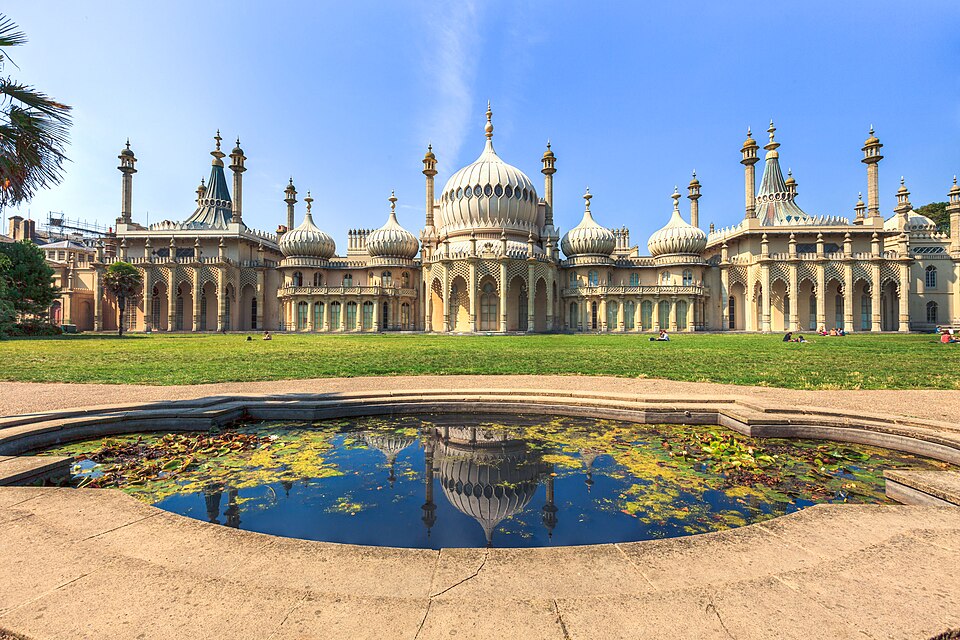
Whitehawk’s Neolithic causewayed enclosure records communities here around 5,500 years ago.
Read the official source ↗ (opens in a new tab)Brighton’s Fishing Museum tells the story of a fishing community transformed into a fashionable resort.
Read the official source ↗ (opens in a new tab)Royal patronage helped reshape the town. Regency development extended east into Kemp Town and west into Brunswick.
Read the official source ↗ (opens in a new tab)The London–Brighton railway helped bring mass tourism; Hove developed as a Victorian town alongside Brighton.
Read the official source ↗ (opens in a new tab)Council housebuilding expanded at Moulsecoomb and around Queen’s Park / Pankhurst Avenue in the early 1920s.
Read the official source ↗ (opens in a new tab)Housing spread around Hangleton’s older landmarks. Schools, shops and services followed the growing population.
Read the official source ↗ (opens in a new tab)Brighton & Hove’s unitary authority formed in 1997 and gained city status in 2000.
Read the official source ↗ (opens in a new tab)The familiar seafront is only one chapter. Hangleton has a medieval church; Hove’s museum holds Roman finds from West Blatchington; Whitehawk has a much earlier archaeological landscape. Later streets and housing estates grew around older places rather than replacing an empty map. The linked stories below let you move between these layers, from surviving buildings to traces of a lost railway.
Choose an area story below, or visit the local history galleries at Brighton and Hove museums. Photographs show surviving places at their credited dates, rather than reconstructions of the past.
Checked 21 October 2026. Programmes, access and opening times can change. This is Via’s independent guide; listings do not imply a partnership. Photographs show real places at their credited dates, not film or television stills. Images are resized and cropped for display.